

Herbicides are chemicals designed to control or kill unwanted plants, commonly referred to as weeds. Understanding how herbicides work can help you use them effectively and safely in agriculture, gardening, or land management. This beginner’s guide explains the basics of how herbicides function, their types, and key considerations for their use.
What Are Herbicides?
Herbicides are substances that target weeds, either by killing them outright or inhibiting their growth. Weeds compete with crops or desirable plants for nutrients, water, and sunlight, reducing yields or affecting landscapes. Herbicides help manage these weeds by disrupting critical plant processes, allowing desired plants to thrive.
How Do Herbicides Work?
Herbicides work by interfering with specific biological processes in plants, such as photosynthesis, cell division, or hormone regulation. The method depends on the herbicide’s active ingredient and its mode of action. Here’s a breakdown of the key ways herbicides target weeds:
- Disrupting Photosynthesis Some herbicides block a plant’s ability to produce energy through photosynthesis. They inhibit enzymes or proteins involved in capturing sunlight, starving the plant of energy. Example: Triazine herbicides (e.g., atrazine) block electron transport in photosynthesis, causing the plant to die.
- Inhibiting Growth Certain herbicides target cell division or elongation, preventing the weed from growing. These are often used for broadleaf weeds or grasses. Example: Glyphosate inhibits an enzyme needed for amino acid production, halting growth and killing the plant.
- Mimicking Plant Hormones Some herbicides mimic plant growth hormones, causing uncontrolled growth that exhausts the plant’s resources, leading to its death. Example: 2,4-D causes abnormal growth in broadleaf weeds, distorting their structure until they die.
- Blocking Protein Synthesis Herbicides can interfere with the production of proteins essential for plant survival, effectively stopping metabolic processes. Example: Glufosinate disrupts glutamine synthesis, leading to toxic ammonia buildup in the plant.
- Damaging Cell Membranes Contact herbicides destroy cell membranes, causing rapid wilting and death. These are effective for quick weed control but may not prevent regrowth if roots remain intact. Example: Paraquat causes immediate tissue damage upon contact.
Types of Herbicides
Herbicides are classified based on how they are applied, their selectivity, and their timing. Understanding these categories helps in choosing the right herbicide for the job.
- By Application Method
- Contact Herbicides: Affect only the parts of the plant they touch. They’re fast-acting but may not kill the root system. Example: Diquat, used for quick weed knockdown.
- Systemic Herbicides: Absorbed by the plant and transported throughout its system, killing roots and all. These are slower but more thorough. Example: Glyphosate, which moves to the roots for complete kill.
- By Selectivity
- Selective Herbicides: Target specific types of plants (e.g., broadleaf weeds or grasses) while sparing others, like crops. Example: 2,4-D targets broadleaf weeds but is safe for grasses.
- Non-Selective Herbicides: Kill or damage all plants they contact, used in areas where total vegetation control is needed. Example: Glyphosate kills most plants indiscriminately.
- By Timing
- Pre-Emergent Herbicides: Applied before weeds germinate, preventing seedling growth. Example: Pendimethalin stops weed seeds from sprouting.
- Post-Emergent Herbicides: Applied after weeds have emerged, targeting actively growing plants. Example: Dicamba, used on visible weeds.
Factors Affecting Herbicide Effectiveness
Several factors influence how well an herbicide works:
- Plant Type and Stage: Young, actively growing weeds are more susceptible than mature ones.
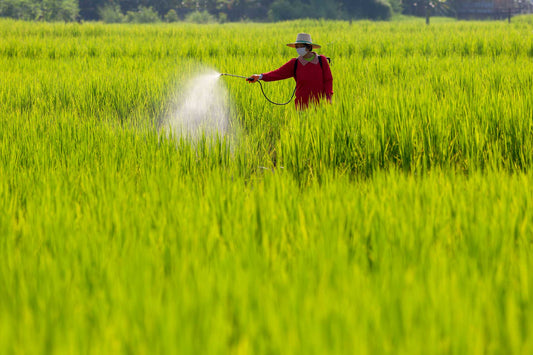
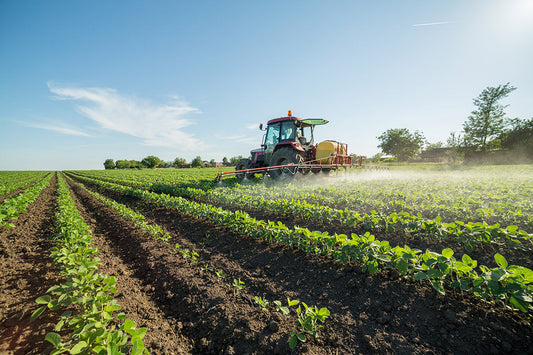
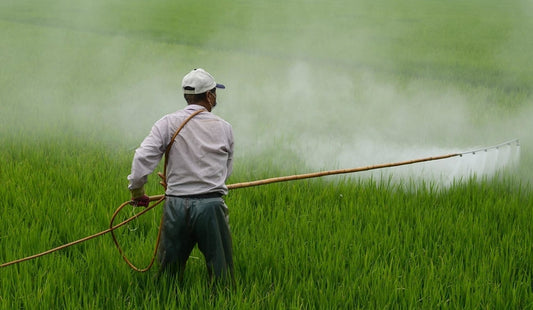
- Application Method: Spraying, soil application, or spot treatment affects coverage and absorption.
- Environmental Conditions: Temperature, humidity, and rainfall can impact herbicide uptake and performance. For example, rain soon after application may wash away contact herbicides.
- Herbicide Resistance: Repeated use of the same herbicide can lead to resistant weed populations, requiring rotation of products with different modes of action.
Safety and Environmental Considerations
Herbicides are powerful tools, but improper use can harm crops, non-target plants, wildlife, or humans. Follow these guidelines:
- Read Labels: Always follow the manufacturer’s instructions for application rates, timing, and safety precautions.
- Protect Non-Target Plants: Use selective herbicides or shielding techniques to avoid damaging desirable plants.
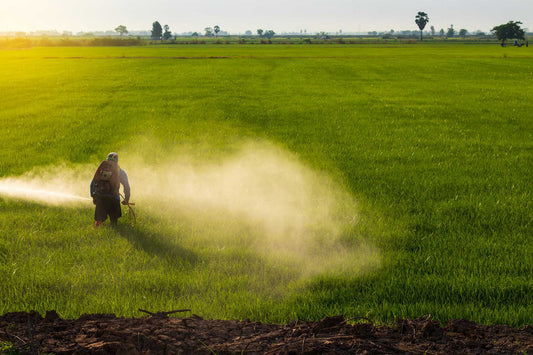
- Minimize Drift: Apply herbicides on calm days to prevent wind from carrying chemicals to unintended areas.
- Consider Environmental Impact: Some herbicides can persist in soil or water, affecting ecosystems. Choose products with lower environmental risks when possible.
- Personal Safety: Wear protective gear (gloves, masks, etc.) and avoid contact with skin or inhalation of fumes.
Common Herbicides and Their Uses
Here are a few widely used herbicides and their applications:
- Glyphosate: Non-selective, systemic; used for total weed control in fields or non-crop areas.
- 2,4-D: Selective, systemic; targets broadleaf weeds in lawns or cereal crops.
- Atrazine: Selective, pre- and post-emergent; used in cornfields to control broadleaf and grassy weeds.
- Pendimethalin: Pre-emergent; prevents weed seed germination in crops like soybeans.
Tips for Beginners
- Identify the Weed: Know what weed you’re targeting to choose the right herbicide.
- Start Small: Test the herbicide on a small area before treating a large one.
- Rotate Herbicides: Use different modes of action to prevent resistance.
- Integrate Other Methods: Combine herbicides with manual weeding, mulching, or cover crops for better control.
- Consult Experts: If unsure, seek advice from local agricultural extension services or professionals.
Conclusion
Herbicides are effective tools for weed control when used correctly. By understanding their modes of action, types, and proper application, you can manage weeds efficiently while minimizing risks to crops, the environment, and yourself. Always prioritize safety and follow guidelines to achieve the best results.
If you’d like specific examples of herbicides for a particular crop or weed, or want to explore non-chemical weed control methods, let me know!
Tags:
Related articles
-
Sep 19 2025
